















Baldwin Wallace University’s opera program opened its spring production of “The Marriage of Figaro” with a performance that was intentional, thoughtful and greatly put together, offering a clear and engaging take on a well-known classic. Performed at the Kleist Center for Art & Drama, the production showed a solid balance of storytelling, design, and music without trying to overcomplicate the piece.
Composed by Wolfgang Amadeus Mozart, “The Marriage of Figaro” is known for its complex ensemble moments and its commentary on class and power. Baldwin Wallace leans into both, telling the story in a way that is easy to follow while still letting those themes shine through. The opera follows Figaro and Susanna as they work around Count Almaviva’s attempts to control the narrative, mixing humor with moments that carry a bit more weight. The shifts between comedy and more serious moments blend well to feel natural rather than forced.
Visually, the production adopts an Art Deco aesthetic, which lends it a slightly distinct look without detracting from the story. It updates the setting just enough to feel fresh, while still keeping the structure of the original intact. The design helps separate characters by status and personality in a way that is clear and concise to the audience.
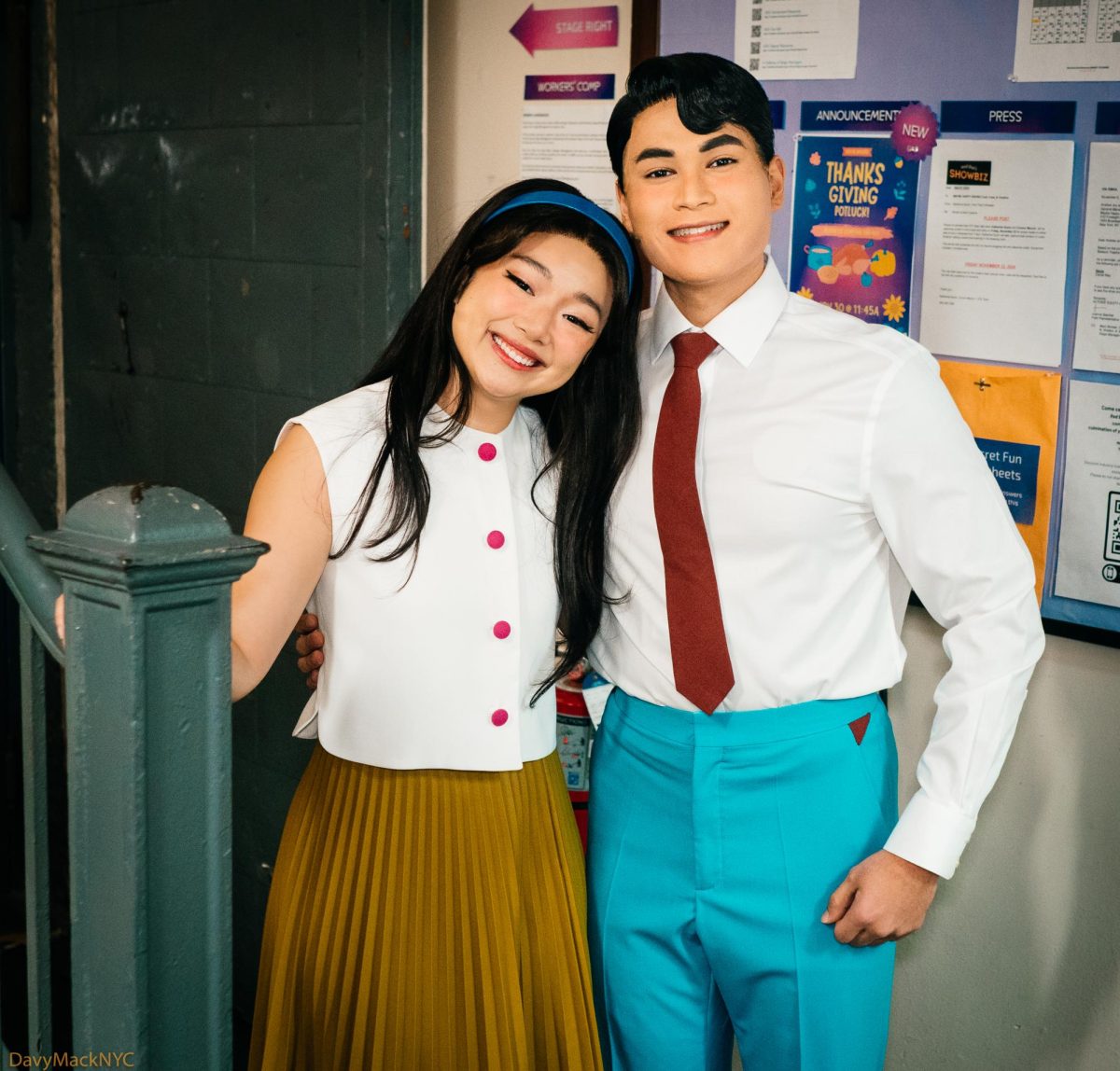
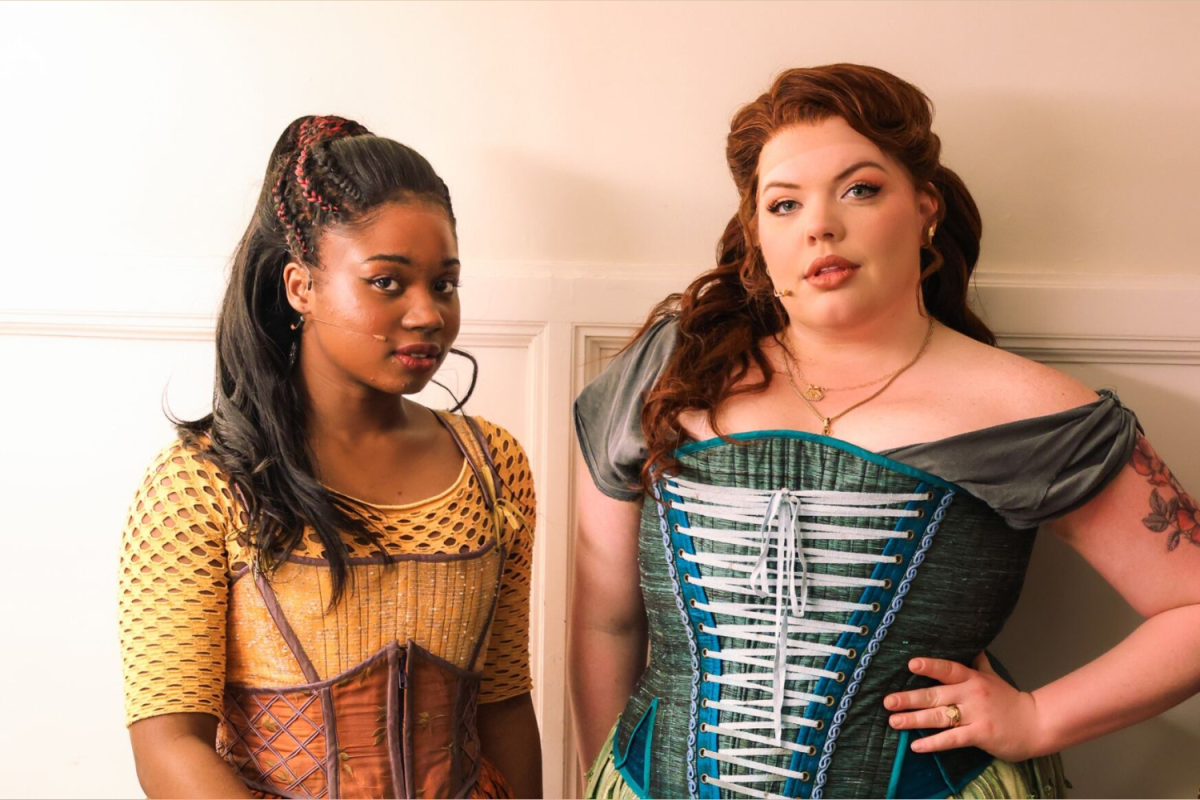
The costumes are one of the show’s strongest elements. They fit well with the Art Deco style and help define each character without feeling overdone. There is a good mix of detail and simplicity, and the choices make it easy to understand who each character is just by how they appear on stage. Overall, the costumes add a lot to production without pulling focus.
Musically, the show handles Mozart’s score with precision. The pacing works, giving space to both the larger ensemble scenes and the smaller, more personal moments. The cast works well together, which is important in a show like “The Marriage of Figaro,” and that consistency helps keep the story moving.
Even though the opera was written centuries ago, the themes still resonate. Ideas about power, control, and relationships are easy to recognize, and production does a good job of letting those ideas come through without overemphasizing them.
Overall, Baldwin Wallace’s “The Marriage of Figaro” is a strong, well-executed production. It stays true to the core of the opera while making smart choices in design and presentation, resulting in a performance that feels clear, cohesive, and enjoyable to watch.
