
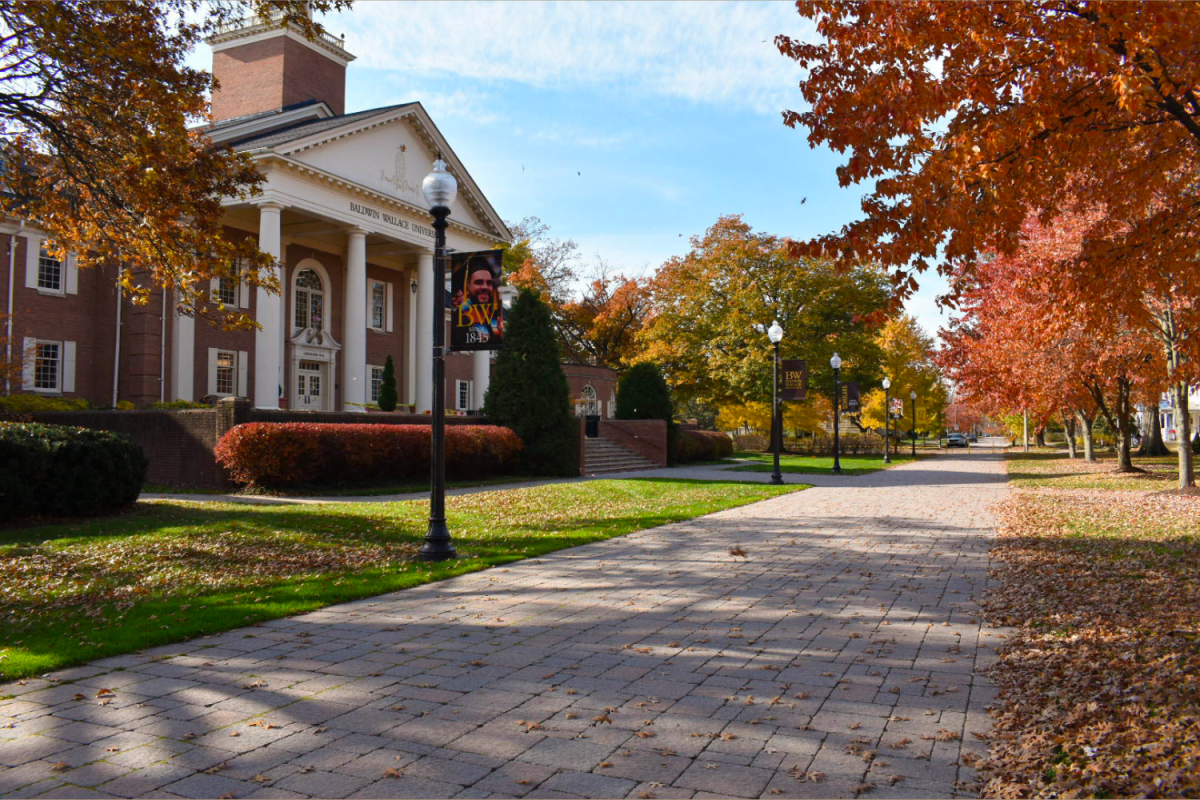












Some productions are designed to entertain, while others are meant to challenge. This show managed to do both. The Theater Arts & Performance (TAP) student-organization at Baldwin Wallace presented a production of Good Kids from October 8th to 11th. “Good Kids” asked its audience to sit with what was uncomfortable. It was not an easy watch, and it was never meant to be. From beginning to end, the performance compelled everyone in the room to confront the kinds of truths that are often whispered about, but rarely faced directly.
Written by Naomi Iizuka, “Good Kids” tells the story of a sexual assault in a Midwestern high school and the hurtful silence, rumors, and blame that surround it. The play is loosely based on the Steubenville case, but TAP’s staging made clear that this story could happen anywhere.
The production handled the subject matter with extreme care and precision. The direction was intentional, focused on honesty rather than spectacle. The cast approached the material with maturity and compassion, allowing the story to speak for itself. Each scene carried emotional weight without crossing into melodrama, and the pacing made sure that every moment landed exactly as it should.
The atmosphere in the theater was heavy but purposeful. The lighting and sound design played vital roles in shaping the tone, creating moments that felt haunting. Silence often did the talking, forcing the audience to absorb what they had just seen. There was a constant sense of unease that lingered, but that discomfort was the point.
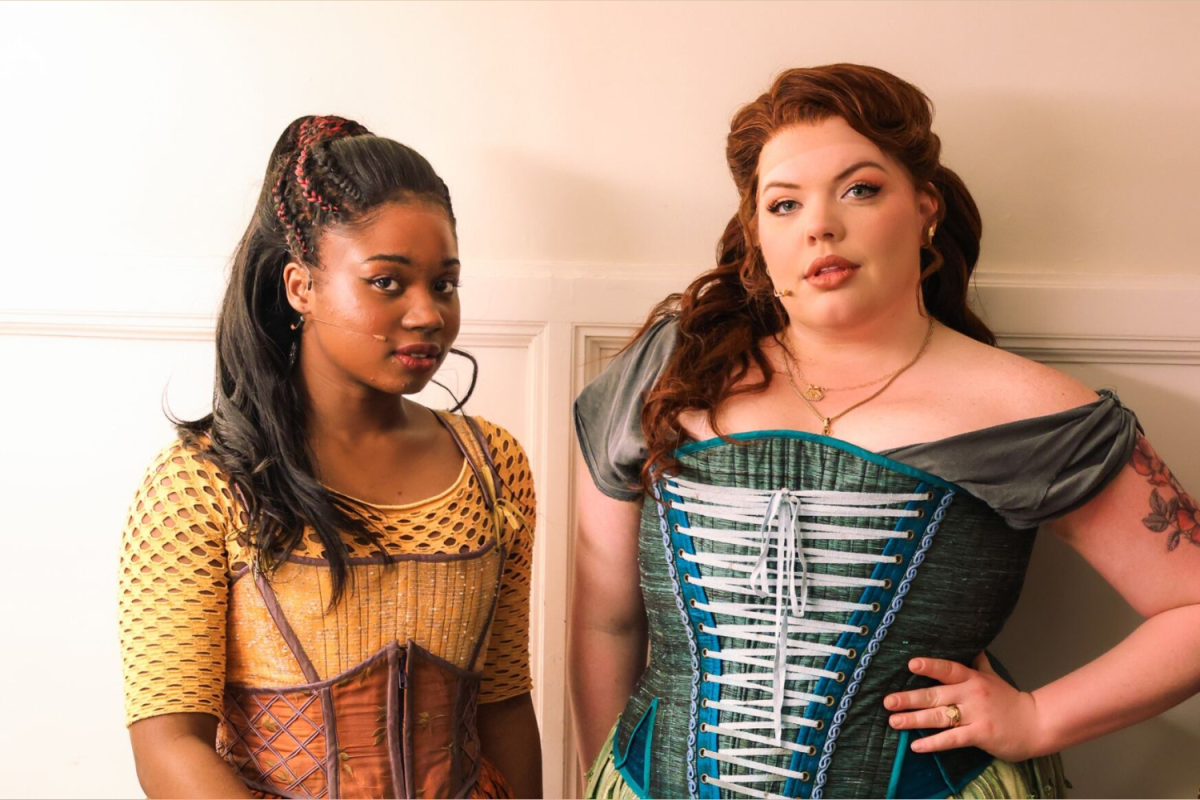
The acting throughout was distinct in its realism. Every performer carried a sense of vulnerability, most notably the lead role, Chloe, played beautifully by junior acting BFA major Destini Haith. Even in scenes filled with chaos or anger, there was striking authenticity. The ensemble’s cohesion was clear, and the emotional care among the cast could be felt in every exchange.
Sophomore acting BFA major Ash Farley, who appeared in the production, reflected on what they hoped audiences would take away from the show.
“I think probably the biggest message I would want them to take away is that there’s more than just the idea that’s planted in our heads of what rape and sexual assault is,” Farley said. “There is so much more to it, and it affects people in very different ways, and it shouldn’t just be—it shouldn’t be normalized that something like that happens. No matter what the victim was going through.”
When asked about the emotional challenge of preparing for such a difficult piece, Farley said, “It was really difficult, we had a lot of tears during rehearsals. It was very difficult to feel safe and to not let yourself drown in that kind of feeling and in the heaviness that the show was.”
Their honesty reflects what made this production so effective. “Good Kids” is not a story told for shock value or sympathy. It is a story about perspective, weaponized silence, and the culture that allows harm to happen while people look the other way.
TAP’s version did not attempt to soften its message. It refused to make the audience comfortable. That is what made it powerful. The play asked its viewers to question how they see blame, how they understand consent, and how easy it is to judge from a distance until it becomes personal.
By the end of the night, there was a noticeable energy shift in the theater. “Good Kids” did not leave its audience with easy answers or catharsis. It left them with awareness, discomfort, and questions that need to be asked more often. This production was performed masterfully and incited such a powerful reaction in the crowd.
Productions like this remind us why theater matters. It can challenge, provoke, and bring difficult truths to light in a way no other medium can. “Good Kids” was not just a performance. It was a necessary confrontation, one handled with grace, empathy, and courage by everyone involved.